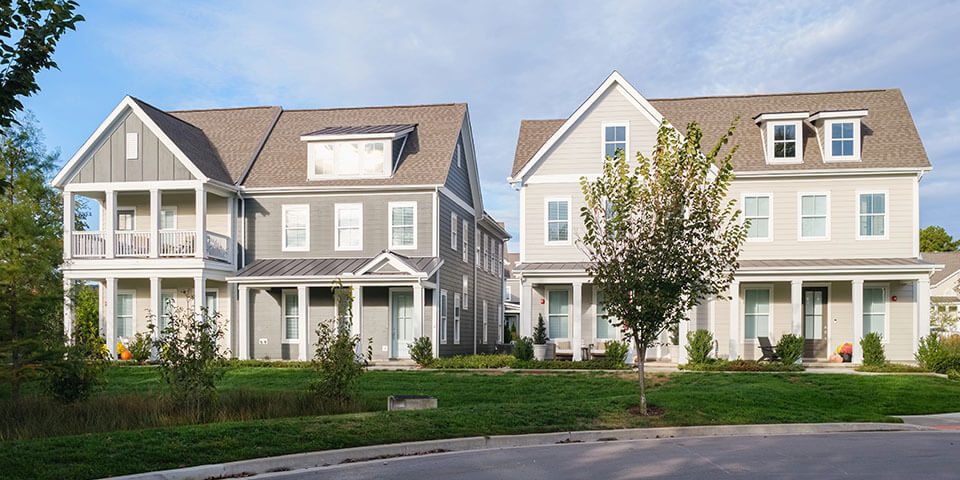
Water losses are one of the most common and frustrating problems for multifamily property owners. A small leak in one unit can quickly become damage in several units, hallways, ceilings, flooring, electrical areas, and common spaces. It can also lead to tenant complaints, emergency repairs, lost rent, and a more difficult insurance renewal.
For apartment buildings, mixed-use residential properties, and other multi-unit dwellings, water is not just a maintenance issue. It is an insurance issue. It is a cash flow issue. It is also a habit issue, because many losses can be reduced with better inspections, better documentation, and faster response.
Here are the key water loss areas that multifamily owners and managers should understand.
Plumbing Age and Condition
Older plumbing systems are a major concern for insurers. Galvanized pipes, aging copper, worn valves, failing joints, and older supply lines can increase the chance of leaks or pipe bursts. Even if the building looks well maintained from the outside, hidden plumbing can tell a different story.
Owners should know the age and material of the plumbing system, when major repairs were completed, and whether any risers or supply lines have been replaced. If the property has had repeated water claims, the carrier may ask for proof of repairs or upgrades before offering favorable terms.
Water Heaters
Water heaters can cause serious damage when they fail, especially when they are located in closets, upper-floor units, mechanical rooms, or areas without proper drainage. A slow leak can go unnoticed. A sudden failure can release a large amount of water in a short time.
Good prevention includes regular inspections, replacement planning, drain pans where appropriate, and making sure shut-off valves are accessible. Owners should also keep records showing the age and maintenance history of water heaters throughout the property.
Toilets, Sinks, and Unit Fixtures
Many multifamily water claims begin inside a unit. A toilet overflow, loose supply line, leaking sink, or tenant-installed fixture can create damage beyond the original apartment. Because multifamily buildings stack units vertically, water often travels down into the unit below before anyone realizes how serious the problem is.
Routine unit inspections can help. Property managers should check under sinks, around toilets, behind appliances, and near visible plumbing connections. Tenants should also know how to report leaks quickly, even if the leak appears small.
Appliances
Dishwashers, washing machines, refrigerators with water lines, and other appliances can create expensive losses. A cracked hose or poor connection may not seem like much, but in a multi-unit building it can affect several residents and common areas.
If units include laundry equipment, owners should consider braided steel hoses, regular hose replacement, and clear tenant instructions. If tenants bring their own appliances, the lease should explain what is allowed, who is responsible for installation, and what must be reported.
Roof Leaks and Drainage
Not every water claim starts with plumbing. Roof leaks, clogged gutters, blocked drains, and poor exterior drainage can also lead to interior damage. Flat roofs and older roofing systems need special attention because water can pool and enter the building through weak points.
A roof maintenance plan should include regular inspections, photos, repair invoices, and cleaning records. This documentation can be helpful during underwriting and can also support the claim process if damage occurs.
Sewer and Drain Back-Up
Sewer and drain back-up is a separate concern from ordinary interior water leaks. In many policies, this coverage may be limited, excluded, or available only by endorsement. That means owners should not assume every water-related event is covered the same way.
Multifamily owners should review whether they have sewer or drain back-up coverage, what the limit is, and whether the deductible is different from the main property deductible. In buildings with basements, lower-level units, laundry rooms, or below-grade storage, this coverage deserves extra attention.
Flood Versus Water Damage
Flood damage is different from many common water losses. A burst pipe, appliance leak, or accidental discharge may be treated differently from rising water, surface water, storm surge, or water entering from outside the building.
Most standard property policies do not automatically cover flood. Multifamily owners should review flood coverage separately, especially if the building is near a lake, river, drainage area, low elevation, or an area with heavy rain and overwhelmed municipal systems.
Smart Leak Detection
Smart leak detection systems are becoming more important for multifamily properties. These systems can alert owners or managers when moisture is detected, when abnormal water flow occurs, or when a shut-off is needed.
Not every property needs the same system. Some buildings may benefit from point sensors under sinks, near water heaters, and in mechanical rooms. Others may benefit from whole-building monitoring or automatic shut-off valves. The best option depends on the building layout, plumbing design, staffing, and budget.
Shut-Off Valves and Emergency Response
When water starts flowing, response time matters. The building team should know where the main shut-off valves are located, which valves control which areas, and who is allowed to shut them off during an emergency.
A simple valve map can make a big difference. Labeling valves, training maintenance staff, and keeping emergency vendor contacts available can reduce confusion during a loss. The goal is to stop the water quickly, protect residents, and document the damage.
Vacant Units and Turnovers
Vacant units can create hidden problems because no one is living there to notice a drip, leak, smell, or stain. Unit turns also create risk because plumbing fixtures may be disconnected, moved, cleaned, replaced, or reinstalled.
Property managers should inspect vacant units regularly. During turnovers, they should check under sinks, behind toilets, around appliances, near HVAC equipment, and by windows or exterior walls. A quick checklist can prevent an expensive surprise.
Tenant Communication
Tenants are often the first people to see a leak. If they wait to report it, the loss can become larger. Owners should make reporting simple and clear.
A lease packet, resident portal, move-in checklist, or annual reminder can explain what tenants should report. Examples include ceiling stains, soft flooring, dripping sounds, running toilets, water around appliances, low water pressure, sewer smells, or moisture under cabinets.
Maintenance Records
Insurance carriers like to see that a property is being actively managed. Maintenance records can show that the owner is not ignoring risk. This can include inspection logs, photos, invoices, plumbing repairs, roof repairs, appliance replacements, water heater replacement dates, and tenant notices.
Good records may not stop a claim from happening, but they can help tell a better story during underwriting. They may also help during the claims process when the carrier asks what happened, when it was discovered, and what was done to prevent further damage.
Deductibles and Water Damage Limits
Water claims may have different deductibles depending on the policy. Some carriers use a flat deductible. Others may apply a higher water damage deductible, a percentage deductible, or a special limit for certain types of water events.
Owners should review these details before a claim happens. A lower premium is not always better if the deductible or limitation creates a serious out-of-pocket exposure. The right structure depends on the property’s age, claim history, location, and financial tolerance.
Loss of Rents
A water loss can force units offline while repairs are completed. When tenants cannot occupy units, the owner may lose rental income. Loss of rents or business income coverage can help protect cash flow after a covered claim.
The limit should make sense for the building. Owners should think about how many units could be affected by a serious water event, how long repairs may take, and whether local contractors and materials are readily available.
Ordinance or Law
After a major water loss, repairs may trigger code upgrades. This can include plumbing, electrical, fire safety, accessibility, or other building requirements. Ordinance or law coverage can help with eligible upgrade costs when required after a covered loss.
This is especially important for older multifamily buildings. The repair cost may not only be the cost to put things back the way they were. Sometimes the property must be brought up to current code.
Quick Answers People Search For
Why are water losses such a big issue for multifamily properties?
Because one leak can affect multiple units, shared spaces, building systems, tenant occupancy, and rental income.
Does multifamily insurance cover water damage?
It may cover certain sudden and accidental water losses, depending on the policy. Sewer back-up, flood, gradual leaks, and maintenance-related damage may be limited or excluded.
How can apartment owners prevent water damage claims?
Common steps include plumbing inspections, water heater maintenance, leak detection sensors, roof and drain maintenance, tenant reporting procedures, and accurate maintenance records.
Is flood damage the same as water damage?
No. Flood is usually treated separately and often requires a separate flood policy or endorsement.
Can leak detection help with insurance?
It can help show active risk management. Some carriers may view leak detection, shut-off systems, and maintenance documentation favorably during underwriting.
Final Thought
Water losses may be common, but they should not be treated as unavoidable. A practical prevention plan can reduce damage, protect tenants, support better insurance discussions, and help preserve the long-term value of the property.
At StarNet Insurance Group, we help multifamily property owners review coverage, identify common gaps, and build insurance strategies that fit the building, budget, and risk profile. Please feel free to contact us with any questions about multifamily property insurance, water damage coverage, flood insurance, or loss of rents protection.