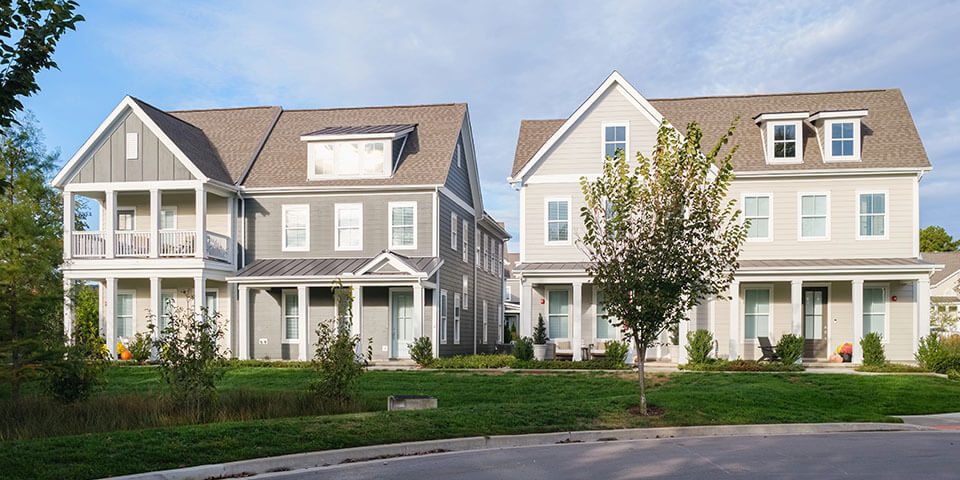
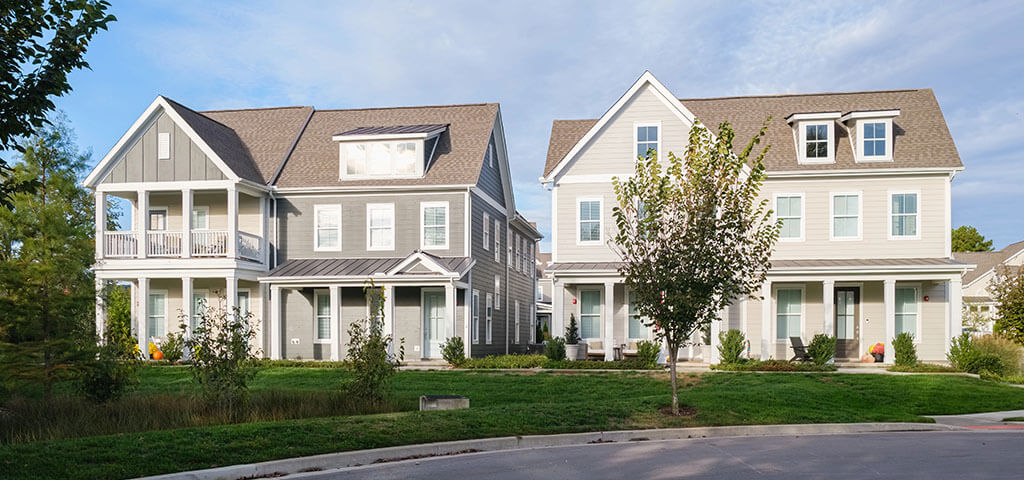
A multifamily building is not just a larger version of a single-family home.
When several households live under one roof, the property has more activity, more systems, more people, and more chances for small problems to turn into expensive claims. A leak in one apartment can damage the unit below. A fire that starts in one kitchen can spread into hallways, shared walls, or nearby units. A broken exterior door can affect every tenant in the building.
That is why multifamily property insurance should be reviewed carefully.
The right policy is not only about covering the building. It is about understanding how the property is used, who lives there, what areas are shared, and what could interrupt rental income after a covered loss.
What This Coverage Helps Protect
Multifamily property insurance helps protect apartment buildings, duplexes, triplexes, fourplexes, and other multi-unit residential properties from covered damage such as fire, wind, certain water losses, vandalism, and other insured events.
These buildings often have unique risks because one problem can affect several units at the same time. Shared plumbing, electrical systems, hallways, stairwells, laundry rooms, parking areas, tenants, vacancies, and older building features can all influence coverage needs and insurance pricing.
What Is Multifamily Property Insurance?
Multifamily property insurance is coverage for residential buildings with more than one living unit.
This may include duplexes, triplexes, fourplexes, apartment buildings, mixed-use buildings with residential units, and larger residential investment properties.
The policy may help cover the physical structure, certain building systems, common areas, and other property owned by the building owner. Depending on the policy, it may also include loss of rental income, general liability, equipment breakdown, ordinance or law coverage, and other endorsements.
The exact coverage depends on the building, occupancy, policy form, carrier, and selected limits.
Why Multi-Unit Buildings Have Different Risks
A single-family home usually has one household making daily decisions inside the property.
A multifamily building is different.
There may be several tenants, guests, delivery drivers, contractors, maintenance workers, and visitors using the same property. One tenant may report a problem quickly. Another may wait. One unit may be clean and careful. Another may have overloaded outlets, unattended cooking, or plumbing problems that go unnoticed.
This does not mean multifamily properties are bad risks. It means they need a different insurance review.
The more units a building has, the more important it becomes to look at shared systems, tenant activity, maintenance, safety, and replacement cost.
Building Coverage
Building coverage is one of the main parts of a multifamily property insurance policy.
It may help pay to repair or rebuild the insured structure after a covered loss. This can include the roof, exterior walls, interior walls, floors, stairs, permanent fixtures, attached equipment, and other parts of the building.
For multifamily buildings, the replacement cost should be reviewed carefully. Rebuilding a multi-unit property can be more complicated than repairing a small home. There may be multiple kitchens, bathrooms, electrical panels, plumbing lines, fire-rated walls, stairwells, and code requirements.
The market value of the building and the replacement cost are not always the same. A building may sell for one amount, but cost much more to rebuild after a major fire or storm.
Shared Plumbing and Water Damage
Water damage is one of the most common concerns in multi-unit buildings.
A pipe leak in one unit may damage the ceiling, walls, flooring, cabinets, and personal property in another unit. A toilet overflow can spread through more than one floor. A failed water heater can affect a laundry room, basement, or nearby apartments.
Older plumbing can also create extra concern. Galvanized pipes, aging water heaters, older supply lines, and poorly maintained drains may increase the chance of a loss.
Insurance may help with certain sudden and accidental water losses, but it may not cover every water problem. Wear and tear, long-term seepage, flood, sewer backup, and poor maintenance may be limited or excluded unless specific coverage applies.
Fire Risk in Multiple Units
Fire risk is another major concern for multifamily buildings.
More units usually means more kitchens, more appliances, more electrical use, and more tenant activity. Cooking fires, space heaters, candles, smoking, overloaded outlets, and old wiring can all create risk.
The insurer may want to know about smoke alarms, fire extinguishers, sprinkler systems, alarm monitoring, fire escapes, emergency lighting, and the building’s electrical condition.
A fire in one apartment may create smoke damage in other units, damage common areas, and force tenants to move out while repairs are made. That can lead to both property damage and rental income loss.
Loss of Rental Income
If a covered loss makes units unlivable, the owner may lose rent while repairs are being completed.
Loss of rental income coverage, sometimes called business income or fair rental value coverage, may help replace lost rental income after a covered property loss. This can be important for owners who rely on monthly rent to pay mortgages, taxes, utilities, repairs, and other building expenses.
For example, if a fire damages several units and tenants cannot live there for months, the repair cost may not be the only financial problem. The owner may also lose rent during the restoration period.
The amount of coverage should match the building’s actual rental income exposure.
Liability Around Common Areas
Multifamily properties often include shared areas used by tenants, guests, vendors, and visitors.
These may include stairwells, sidewalks, parking lots, hallways, entryways, laundry rooms, trash areas, courtyards, and storage spaces.
If someone is injured in one of these areas and claims the property owner was negligent, general liability coverage may help respond. Common examples include slip and fall claims, poor lighting complaints, damaged steps, loose railings, icy sidewalks, or unsafe walkways.
Good maintenance is still important. Insurance is not a replacement for inspections, repairs, lighting, snow removal, and documentation.
Tenant Property and Owner Property
It is important to know which property belongs to the owner and which property belongs to the tenants.
A multifamily owner may provide appliances, cabinets, flooring, light fixtures, laundry equipment, mailboxes, security cameras, or other building-related items. The policy may treat these differently than tenant belongings.
A landlord’s policy usually does not cover a tenant’s personal property. Tenants may need renters insurance for their furniture, clothing, electronics, and personal liability.
This distinction can help prevent confusion after a claim.
Vacant Units and Occupancy Changes
Vacancy can affect insurance.
A building with one empty unit may not create the same concern as a fully vacant property. But if several units are empty, or if the building is being renovated, under repair, or not actively rented, the insurer may view the risk differently.
Vacant units may lead to unnoticed leaks, vandalism, theft, frozen pipes, delayed maintenance, and unauthorized entry.
Property owners should tell their insurance agent when occupancy changes. A policy written for a fully occupied apartment building may not respond the same way if the building becomes vacant or partially vacant for an extended period.
Older Buildings and Code Requirements
Many multifamily buildings were built years ago under older building codes.
After a covered loss, the local building department may require repairs to meet current codes. This can increase the cost of rebuilding. For example, the owner may need updated electrical systems, fire safety improvements, accessibility upgrades, or changes to damaged parts of the building.
Ordinance or law coverage may help with certain extra costs caused by code requirements after a covered loss.
Without this coverage, the owner may have a gap between what the property policy pays and what the city or county requires during rebuilding.
Roofs, Exterior Walls, and Weather Exposure
The roof is one of the first things an insurer will look at.
A newer roof in good condition can help reduce concern. An older roof with missing shingles, ponding water, soft spots, or poor drainage can create problems. Multifamily buildings may also have flat roofs, shared drainage systems, balconies, exterior stairways, or older masonry.
Weather exposure matters too. Wind, hail, snow, ice, heavy rain, and freezing temperatures can all affect the building differently depending on location and construction.
The insurer may ask about roof age, roof material, updates, repairs, and prior claims.
Information Insurers May Ask For
When reviewing multifamily property insurance, an insurer may need details about the building and how it is used.
This may include the number of units, year built, construction type, square footage, roof age, plumbing updates, electrical updates, HVAC systems, occupancy rate, rental income, fire protection, security features, prior claims, parking areas, laundry rooms, balconies, and on-site maintenance.
The more accurate this information is, the easier it is to quote the building properly.
Ways to Reduce Multifamily Property Risk
Insurance is important, but daily property management also matters.
Owners can reduce risk by keeping good maintenance records, responding quickly to tenant complaints, inspecting common areas, repairing leaks early, checking smoke alarms, improving lighting, clearing snow and ice, and documenting repairs.
It also helps to require tenants to report problems quickly. A small leak, broken lock, loose railing, or electrical issue can become more expensive when it is ignored.
A clear maintenance routine can support both safety and insurance claims.
How StarNet Insurance Group Can Help
Multifamily property insurance should fit the building, not just the address.
A duplex with long-term tenants may need a different review than a larger apartment building with shared laundry, older plumbing, multiple stairwells, and several recent claims. The goal is to understand the property before a loss happens.
Policy terms, exclusions, and limits vary by carrier. This article is for general information only and should not be treated as legal or coverage advice. The best way to understand your protection is to review the actual policy with an insurance professional.
If you own or manage a multifamily property, now is a good time to make sure the coverage matches the real risks of the building.
StarNet Insurance Group can help you review coverage options for multifamily buildings, rental properties, apartment buildings, and other multi-unit residential properties. We can look at building coverage, liability, rental income, deductibles, endorsements, and possible gaps.