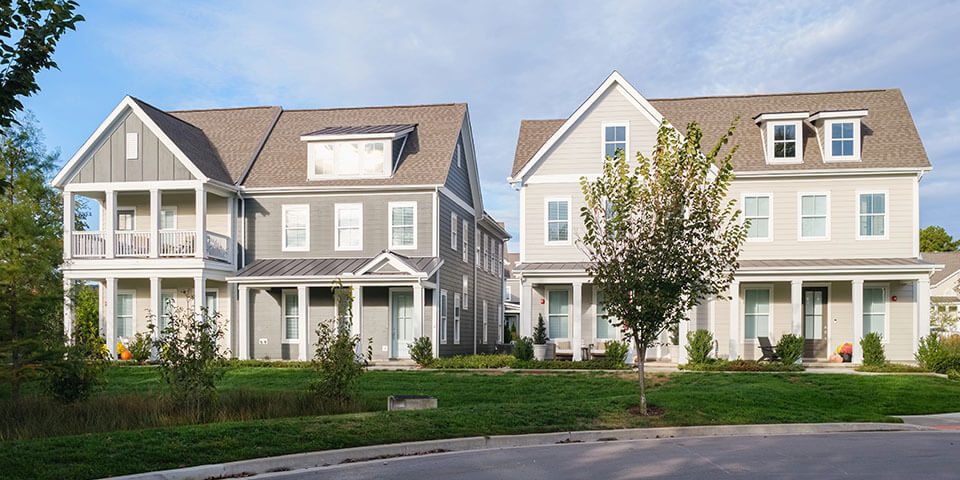
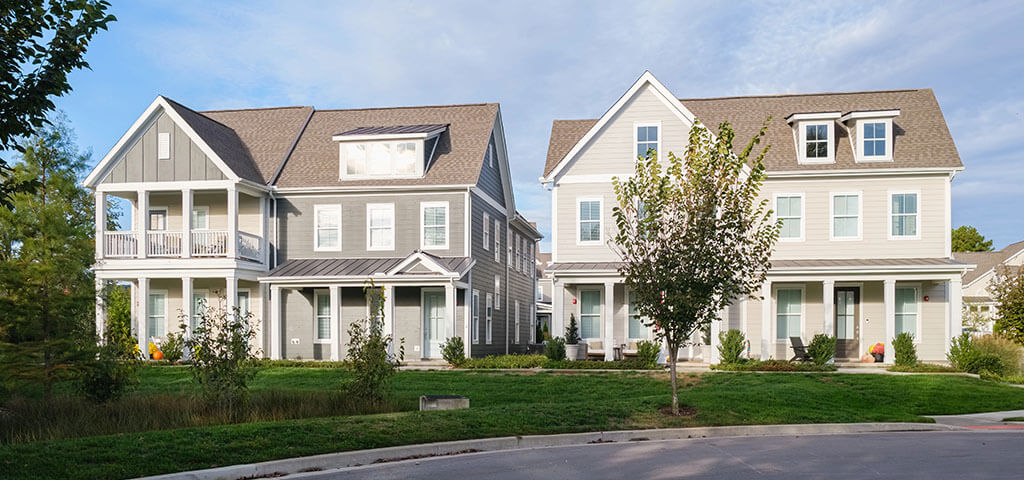
A multifamily building has more than one front door.
It may have apartments, shared hallways, stairwells, sidewalks, laundry rooms, parking areas, mail areas, and entryways. Each space can create liability exposure for the property owner, landlord, or association.
That does not mean every accident becomes a claim. But it does mean shared spaces need regular attention.
A loose handrail, poor lighting, broken pavement, icy steps, or unsafe parking can lead to injuries, complaints, and possible lawsuits. That is why multifamily liability insurance matters for a multi-unit building.
Quick Answer
Multifamily liability insurance may help protect a property owner if someone is injured in a shared area of the building and claims the owner was legally responsible.
Common risk areas include stairwells, parking lots, sidewalks, hallways, entryways, elevators, laundry rooms, and mail areas.
Depending on the policy, liability coverage may help with defense costs, settlements, or judgments.
Why Multifamily Liability Is Different
A multifamily building is different. Tenants come and go. Guests visit. Children play. Delivery drivers enter. Vendors, maintenance workers, employees, or property managers may be on-site.
The owner may not control every person’s behavior, but the owner is usually expected to maintain reasonably safe common areas. That is where many liability claims begin.
A tenant may say the steps were slippery. A visitor may say the lighting was too dim. A delivery driver may say the parking lot was uneven.
The question is often not only what happened. It is also whether the property owner knew, or should have known, about the hazard.
Stairwells and Steps
Stairwells are one of the most common liability concerns in multifamily buildings.
People use them daily, sometimes while carrying groceries, laundry, packages, children, or furniture. A small defect can create a serious fall risk.
Common stairwell issues may include loose handrails, uneven steps, worn stair treads, poor lighting, wet floors, exterior ice, damaged landings, clutter, broken tile, or loose carpeting.
Stairwell claims can be difficult because injuries may be serious. A person who falls down stairs may have a broken bone, head injury, or long recovery.
Documentation can matter. Inspection logs, repair invoices, photos, maintenance requests, and tenant complaints can help show what was done.
Parking Lots and Garages
Parking areas can create both injury and property damage exposures.
A multifamily parking lot may be used by residents, visitors, delivery drivers, rideshare vehicles, vendors, and moving trucks. The more traffic there is, the more important maintenance becomes.
Common parking lot issues may include potholes, cracked pavement, poor drainage, ice and snow, faded markings, poor lighting, damaged curbs, poor visibility, and unsafe traffic flow.
Parking lots can also create security concerns. Poor lighting, broken gates, damaged fences, or non-working cameras may become part of a claim if someone says the property owner failed to take reasonable steps to protect the area.
Not every parking lot incident is the owner’s responsibility. But if the claim involves maintenance, lighting, access, or known hazards, the property’s liability coverage may become important.
Hallways, Entryways, and Shared Interior Areas
Inside the building, common areas often get heavy daily use.
Hallways, vestibules, mail areas, laundry rooms, storage rooms, elevators, and lobby spaces can all create liability concerns.
A tenant may slip on water tracked in from outside. A visitor may trip over loose flooring. A delivery driver may fall because boxes were left in the walkway.
Entryways deserve special attention because they connect outdoor weather conditions with interior flooring. Rain, snow and mud can make floors slippery.
Property owners should pay attention to mats, wet floor procedures, lighting, loose flooring, broken locks, clutter, elevator maintenance, laundry room leaks, exposed cords, and clear fire exits.
Good housekeeping is not only about appearance. It can reduce injury risk and support a stronger defense if a claim happens.
Sidewalks, Courtyards, and Outdoor Walkways
Outdoor shared spaces can be harder to manage because weather changes quickly.
Sidewalks, courtyards, ramps, patios, walkways, and common yards may become slippery, cracked, uneven, or blocked. In colder climates, ice and snow can create urgent problems. In warmer areas, tree roots, drainage issues, broken concrete, or poor lighting may be bigger concerns.
A property owner should know who is responsible for maintenance. Responsibility may depend on local rules, lease terms, management agreements, or association documents.
For multifamily insurance, the key point is simple: if people are expected to walk there, the area should be inspected and maintained.
What Does Multifamily Liability Insurance Cover?
Multifamily liability insurance may help protect the owner when a third party claims bodily injury or property damage because of conditions at the building.
This may include claims involving tenants, guests, visitors, vendors, delivery workers, or others who are legally on the property.
Depending on the policy, liability coverage may help pay for legal defense, attorney fees, court costs, settlements, judgments, medical-related claims, and certain property damage claims.
For example, if a visitor falls in a poorly lit stairwell and sues the building owner, the liability portion of the policy may respond, depending on the facts and policy language.
The policy does not automatically cover every incident. Coverage depends on the cause of the injury, who is responsible, what the policy says, and whether exclusions apply.
What Multifamily Liability Insurance May Not Cover
Liability insurance is important, but it has limits.
Some situations may be excluded or handled under a different policy. This is why it is important to review the full insurance program, not only the liability limit.
A multifamily liability policy may not cover every issue involving intentional acts, criminal activity by the insured, employee injuries, auto accidents, professional services, pollution or mold, construction work, contractual liability, expected damage, or claims above the policy limit.
Employee injuries may need workers’ compensation coverage. Vehicle accidents may need commercial auto coverage. Major lawsuits may require umbrella or excess liability coverage.
The best time to find coverage gaps is before a claim.
Why Maintenance Records Matter
After an injury, people often look backward.
When was the last inspection? Was the hazard reported? Did anyone take photos? Was a repair ordered? Was the tenant complaint answered? Were lights checked?
Good records can help answer those questions.
A simple maintenance file may include inspection dates, repair requests, completed work orders, vendor invoices, snow and ice logs, lighting checks, photos, tenant notices, and incident reports.
This does not prevent every claim. But it may help show that the property owner had a reasonable process in place.
Risk Control for Shared Areas
A strong liability program is not only about buying insurance. It is also about reducing the chance of a claim.
For multifamily buildings, risk control may include regular property walks, clear maintenance procedures, prompt repairs, good lighting, snow and ice planning, safe flooring, working handrails, clear exits, and tenant communication.
The goal is not perfection. The goal is to notice problems early and correct them before someone gets hurt.
Even small improvements can make a difference. A brighter stairwell. A repaired handrail. A filled pothole. A better entrance mat. A working exterior light. A written inspection checklist.
How Much Liability Coverage Does a Multifamily Building Need?
There is no single answer for every building.
The right liability limit may depend on unit count, building size, location, claim history, amenities, parking areas, tenant traffic, contractors, and assets at risk.
A small duplex may not need the same limit as a large apartment building with elevators, parking garages, playgrounds, laundry rooms, and frequent visitors.
Owners should also consider umbrella or excess liability insurance. This may provide additional limits above the primary liability policy, depending on the coverage structure.
For many multifamily properties, the question is not only “Do we have liability coverage?”
A better question is, “Would the limit be enough if a serious injury claim happened?”
Questions to Ask Before Buying Coverage
Before choosing a multifamily liability policy, it helps to ask practical questions.
Are stairwells, sidewalks, parking lots, elevators, laundry rooms, and storage areas included? What are the liability limits? Is there an umbrella policy? Are defense costs inside or outside the limit? Are there exclusions for security claims, pools, playgrounds, animals, vacant units, or certain hazards?
It is also important to confirm the named insured.
The owner, property entity, management company, and association may all have different roles. The policy should match the ownership and management structure of the property.
Small mistakes in how the policy is written can create problems later.
Final Thoughts
Multifamily liability risk often starts in shared spaces.
Stairwells, parking lots, sidewalks, hallways, entryways, laundry rooms, and other common areas are used every day. When they are not maintained, they can create injury risks and insurance claims.
Multifamily liability insurance may help protect the property owner from covered claims, legal defense costs, settlements, and judgments. But insurance works best when it is paired with good maintenance, clear records, and regular inspections.
This article is for general educational purposes only. Coverage depends on the policy, carrier, exclusions, limits, and facts of each claim.
At StarNet Insurance Group, we help property owners review coverage options for multifamily buildings and understand risks involving stairwells, parking lots, and shared areas.