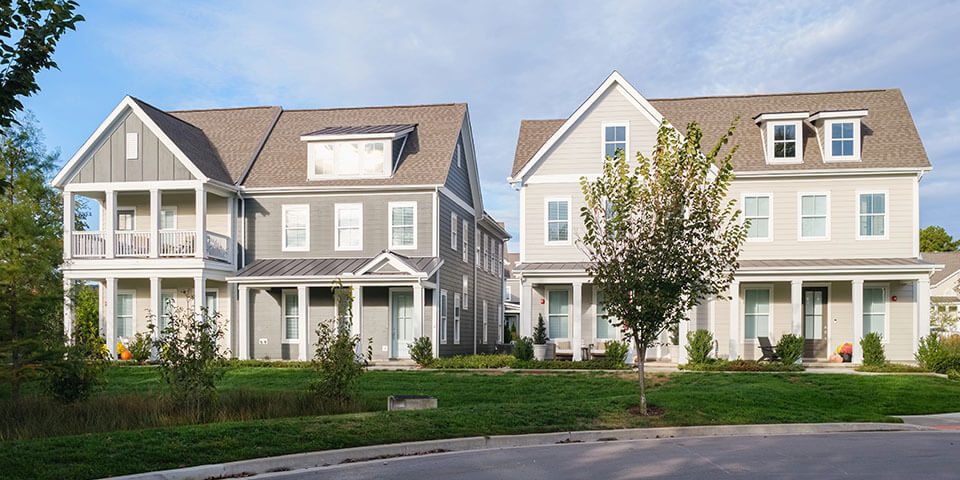
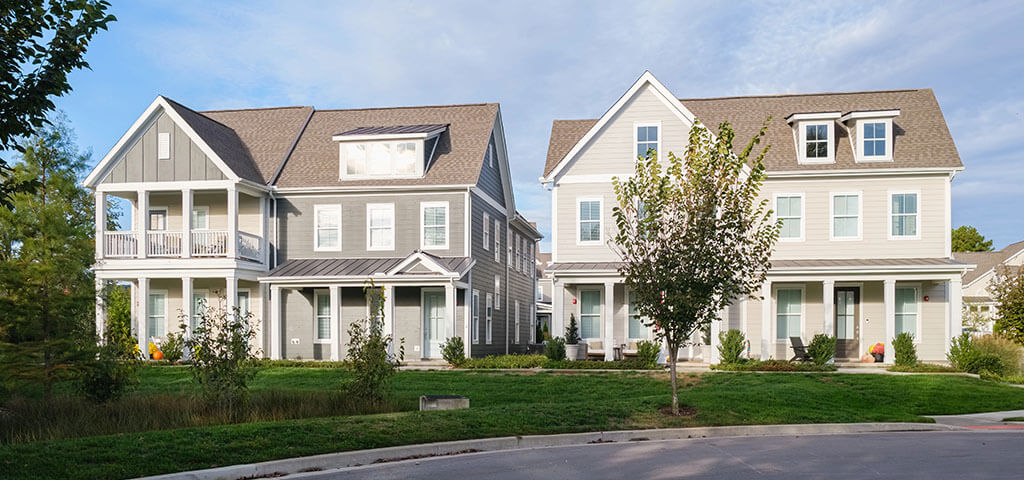
Many property owners ask a simple question when they decide to rent out a home, condo, duplex, or multi-family unit: “Can I just keep my homeowners insurance?”
In many situations, the answer is no. A standard homeowners policy is generally designed for a home you live in yourself. Rental property insurance, also called landlord insurance, is designed for a property that is occupied by tenants and used as an income-producing investment. StarNet describes rental property insurance as coverage that helps protect the structure, the landlord’s liability exposure, and certain income-related losses after a covered claim.
Here are the basic differences that property owners should understand before renting out a property.
Property Use
Homeowners insurance is meant for an owner-occupied home. That means the insurance company is rating the risk based on the assumption that you live there, maintain the property, notice problems quickly, and use the property as your primary or secondary residence.
Rental property insurance is different because the home is being used by tenants. A tenant may not notice damage right away. There may be more turnover. There may be periods of vacancy. There may also be more liability exposure because other people are living in or visiting the property.
Dwelling Coverage
Both homeowners insurance and rental property insurance can include dwelling coverage. This is the part of the policy that helps pay to repair or rebuild the structure after a covered loss.
For a rental property, dwelling coverage should be based on realistic rebuilding costs, not just what the property is worth on the market. StarNet notes that dwelling coverage may help with repair or rebuild costs after covered losses such as fire, wind, hail, vandalism, or certain water-related events, depending on the policy.
Personal Property
This is one of the biggest differences between homeowners coverage and landlord coverage.
A homeowners policy usually includes coverage for your personal belongings inside the home. That can include furniture, clothing, appliances, electronics, and other personal items.
A rental property policy is usually more limited. It may cover landlord-owned items that are used to service or furnish the rental, such as appliances, window coverings, or furniture provided for the tenant. It usually does not cover the tenant’s personal belongings. Tenants typically need renters insurance to protect their own furniture, clothing, electronics, and other possessions.
Loss of Rental Income
Homeowners insurance may include loss of use coverage if you cannot live in your home after a covered claim.
Rental property insurance may include loss of rents coverage. This is designed for landlords. If a covered loss makes the rental property unlivable, this coverage can help replace eligible lost rental income while repairs are being completed.
For many landlords, this is an important part of the policy because the mortgage, taxes, utilities, maintenance, and other expenses may continue even when the unit cannot be rented.
Landlord Liability Protection
Liability coverage is another important part of rental property insurance.
If a tenant, guest, vendor, or contractor is injured at the rental property and claims the landlord is responsible, landlord liability coverage may help with eligible legal defense, settlements, and covered claims. StarNet describes this as a key protection for property owners who do not want one lawsuit to threaten their assets.
A homeowners policy also includes liability coverage, but it is generally written for personal residential use, not landlord risk.
Tenant Damage and Vandalism
Rental properties can face different risks than owner-occupied homes. There may be tenant damage, vandalism, malicious damage, or damage discovered after a tenant moves out.
Not every landlord policy handles these situations the same way. Some policies may offer optional coverage for vandalism or tenant-related damage. Others may limit or exclude certain types of losses. This is why it is important to review the details before assuming everything is covered.
Vacancy
Vacancy can create coverage problems if it is not handled properly.
If a rental property is empty between tenants, under renovation, or vacant for an extended time, the policy may change how it responds to certain claims. Some coverages may be limited after a certain number of days. Others may require a vacancy endorsement or separate coverage.
Before leaving a rental property empty, ask your insurance agent how the policy treats vacancy, tenant turnover, renovations, and seasonal rental periods.
Flood Insurance
Most standard homeowners policies do not include flood coverage, and the same is often true for rental property policies. In the example StarNet home insurance article, flood insurance is listed as a separate item to ask about because most homeowners policies do not include flood damage, even when a mortgage lender requires flood coverage.
If the rental property is in a flood zone, near water, or in an area with poor drainage, flood insurance should be discussed separately.
Condo Rentals
If you rent out a condo, the insurance situation can be more complicated.
You may need a landlord-style condo policy that works together with the condo association or HOA master policy. The master policy may cover certain shared structures or common areas, but it may not fully protect your unit interior, landlord-owned property, rental income, or personal liability exposure.
Before renting out a condo, review the HOA insurance requirements, bylaws, lease rules, and your own rental property coverage.
Short-Term Rentals
Short-term rentals may require special attention. A property rented through vacation rental platforms can have different risks than a long-term lease. There may be frequent guests, more foot traffic, cleaning vendors, and periods where the property is vacant.
Before listing a home for short-term rental, review your homeowners policy, landlord policy, and any coverage provided by the rental platform. The NAIC recommends reviewing your homeowners coverage and the home-sharing company’s coverage before listing a property for rent.
Renters Insurance for Tenants
Landlord insurance protects the landlord’s interest. It usually does not protect the tenant’s personal belongings.
Tenants should consider renters insurance because it can help protect their personal property and may also provide liability coverage if someone is injured while on the rented premises.
Some landlords require tenants to carry renters insurance as part of the lease. This can help reduce confusion after a claim because the tenant has their own policy for their own belongings.
Quick Answers People Search For
Is rental property insurance the same as homeowners insurance?
No. Homeowners insurance is generally for a home you live in. Rental property insurance is designed for landlord risk, including tenant occupancy, landlord liability, and possible loss of rental income after a covered claim.
Does landlord insurance cover tenant belongings?
Usually, no. Tenant belongings are typically covered by renters insurance, not the landlord’s policy.
Do I need landlord insurance if I rent out my old home?
In most cases, yes. Once the home is no longer owner-occupied and is being rented to tenants, a homeowners policy may not be the right fit. You should speak with your insurance agent before the tenant moves in.
Does rental property insurance cover lost rent?
It can, if the policy includes loss of rents coverage and the loss qualifies under the policy. This coverage may help replace eligible rental income when a covered claim makes the property unlivable.
Should Landlords Require Tenants to Have Renters Insurance?
Many landlords choose to require it. Renters insurance helps tenants protect their own belongings and liability, while the landlord policy focuses on the building, landlord liability, and landlord-owned property.
Final Thoughts
Rental property insurance and homeowners insurance are not interchangeable. A home that is lived in by the owner has a different risk profile than a home rented to tenants.
If you own a rental property, the right policy should consider the building, landlord liability, loss of rental income, landlord-owned items, vacancy, tenant-related risks, and any special property details such as a condo association, multi-family layout, or short-term rental use.
At StarNet Insurance Group, we help property owners compare coverage options and build insurance strategies around the way the property is actually used. If you rent out a home, condo, duplex, or multi-family property, contact us to review your current coverage and make sure your investment is protected properly.