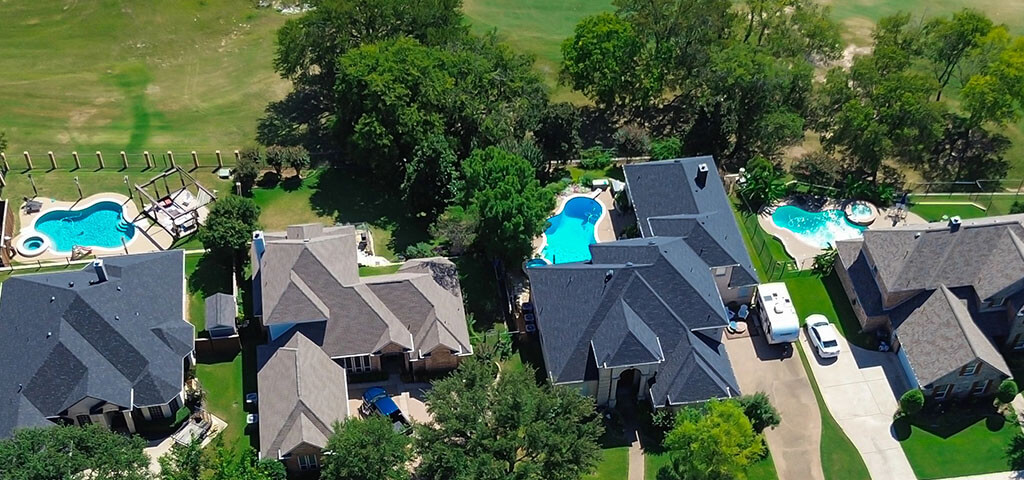
Community pools are one of the most enjoyable amenities that an HOA can offer. They are also one of the most important areas to manage carefully because injuries, slip-and-falls, diving accidents, water quality problems, and unauthorized access can lead to serious liability concerns.
Many HOA boards ask the same question: Do posted pool rules, warning signs, and signed waivers actually protect the association?
The answer is that they can help, but they do not replace proper maintenance, supervision, enforcement, documentation, and the right HOA insurance coverage. A strong risk management plan uses multiple layers of protection.
Here are the key areas your HOA should review before and during pool season:
Pool Rules
Pool rules should be clear, easy to understand, and consistently enforced. A rule that is written but ignored may not help the association much if there is a claim.
Common HOA pool rules include no running, no diving in shallow areas, no glass containers, no roughhousing, no swimming during closed hours, adult supervision for children, and no use of the pool while sick.
Rules should also match your local health department requirements and your association’s governing documents.
Signage
Pool signs are not just decoration. They help communicate expectations before someone enters the pool area.
The CDC’s Model Aquatic Health Code recommends that aquatic facilities post and enforce facility rules related to health, safety, and sanitation, and that signage be placed conspicuously with legible lettering and a contrasting background. It also lists common messages such as emergency instructions, hours of operation, occupancy limits, no glass, no diving where applicable, no rough play, and child supervision requirements.
If there is no lifeguard on duty, the sign should say so clearly. The 2024 Model Aquatic Health Code also includes additional signage language for facilities without lifeguards, including direct supervision requirements for children and pool-use hours.
Waivers
A pool waiver can be useful, especially for guests, renters, parties, swim lessons, or special events. It can show that the participant acknowledged certain risks and agreed to follow the rules.
However, a waiver is not a complete shield. It generally will not prevent someone from filing a claim, and it may not protect the association if the injury is connected to poor maintenance, unsafe conditions, lack of enforcement, or failure to follow local requirements.
Your HOA attorney should review any waiver before it is used.
Guest Policy
Many HOA pool claims involve guests, renters, or people who were not properly authorized to use the facility.
A good guest policy should explain who may bring guests, how many guests are allowed, whether guests must be accompanied by a resident, and whether guest passes or sign-in sheets are required.
If the HOA allows pool parties, the board should consider a separate reservation form, deposit, guest limit, insurance requirement, and written acknowledgment of pool rules.
Access Control
Access control is one of the most important parts of reducing pool liability.
This may include locked gates, key cards, fobs, gate alarms, cameras, and posted hours. If the pool is closed, the gate should be locked. If a key card is assigned to a resident, the association should have a process for deactivating lost cards or cards assigned to delinquent or former owners, if allowed by the governing documents.
The CDC recommends fencing that fully encloses pools with self-closing and self-latching gates as part of drowning prevention.
Maintenance
A well-maintained pool is safer and easier to defend if a claim occurs.
The HOA should have a written maintenance schedule for the pool, deck, gates, lighting, handrails, drains, pumps, chemical storage, restrooms, and surrounding areas. Wet decks, loose tiles, broken ladders, poor lighting, and missing drain covers can all create unnecessary risk.
The association should also keep records showing when maintenance was performed and when repairs were requested or completed.
Water Quality
Water quality is a health and liability issue.
Chemical levels should be checked as required by local code and by the pool service provider’s standards. The CDC notes that disinfectant and pH levels are the first defense against germs that cause swimming-related illnesses and recommends checking disinfectant and pH at least twice per day, and more often during heavy use.
If there is a contamination incident, equipment failure, or unsafe chemical condition, the pool should be closed until it is safe to reopen.
Lifeguards
Some HOA pools operate with lifeguards and some operate without them. This decision should not be made casually.
The board should review state law, local code, insurance requirements, pool size, usage, resident demographics, prior incidents, and budget. If lifeguards are used, they should be properly trained, scheduled, supervised, and documented.
If lifeguards are not used, the “No Lifeguard on Duty” signage should be obvious and the HOA should strictly enforce rules about child supervision.
Enforcement
Rules reduce risk only when they are enforced.
If residents regularly bring glass into the pool area, swim after hours, prop open gates, or allow unsupervised children to swim, the association should respond consistently. This may include written warnings, fines, suspension of pool privileges, or other remedies allowed by the governing documents.
Selective enforcement can create problems. The board should use a consistent process for all residents.
Incident Reports
Every incident should be documented as soon as possible.
This includes slips, falls, injuries, altercations, rescues, contamination events, gate failures, trespassing, vandalism, and complaints about unsafe conduct. The report should include the date, time, people involved, witnesses, photos if available, what happened, and what action was taken.
Good records can help the HOA respond to insurance claims and show that the board acted responsibly.
Insurance Coverage
Even strong rules and signage cannot eliminate all risk.
HOA general liability insurance can help protect the association when someone claims they were injured in a common area, such as a pool, clubhouse, sidewalk, or shared recreational space. An umbrella or excess liability policy may provide additional limits above the general liability policy.
The HOA should also review property coverage for pool structures, fencing, pumps, equipment, lighting, furniture, and related common-area property.
Board Review
Before pool season, the board should review the pool rules, signs, waivers, vendor contracts, insurance limits, maintenance records, and emergency procedures.
It is also wise to involve the association’s attorney, insurance agent, property manager, and pool service company. Each one sees a different part of the risk.
What Actually Reduces Risk?
The best protection is not one document or one sign. It is a layered approach.
Clear rules help residents understand expectations. Signs remind people of hazards and requirements. Waivers may help show that risks were acknowledged. Maintenance reduces dangerous conditions. Access control keeps unauthorized users out. Enforcement shows that the board takes safety seriously. Insurance helps protect the association when a claim still happens.
At StarNet Insurance Group, we’re here to help HOA boards understand the insurance side of pool liability and build coverage that fits the community’s buildings, common areas, amenities, and budget.
To schedule a consultation, please call us at (312) 445-7777.